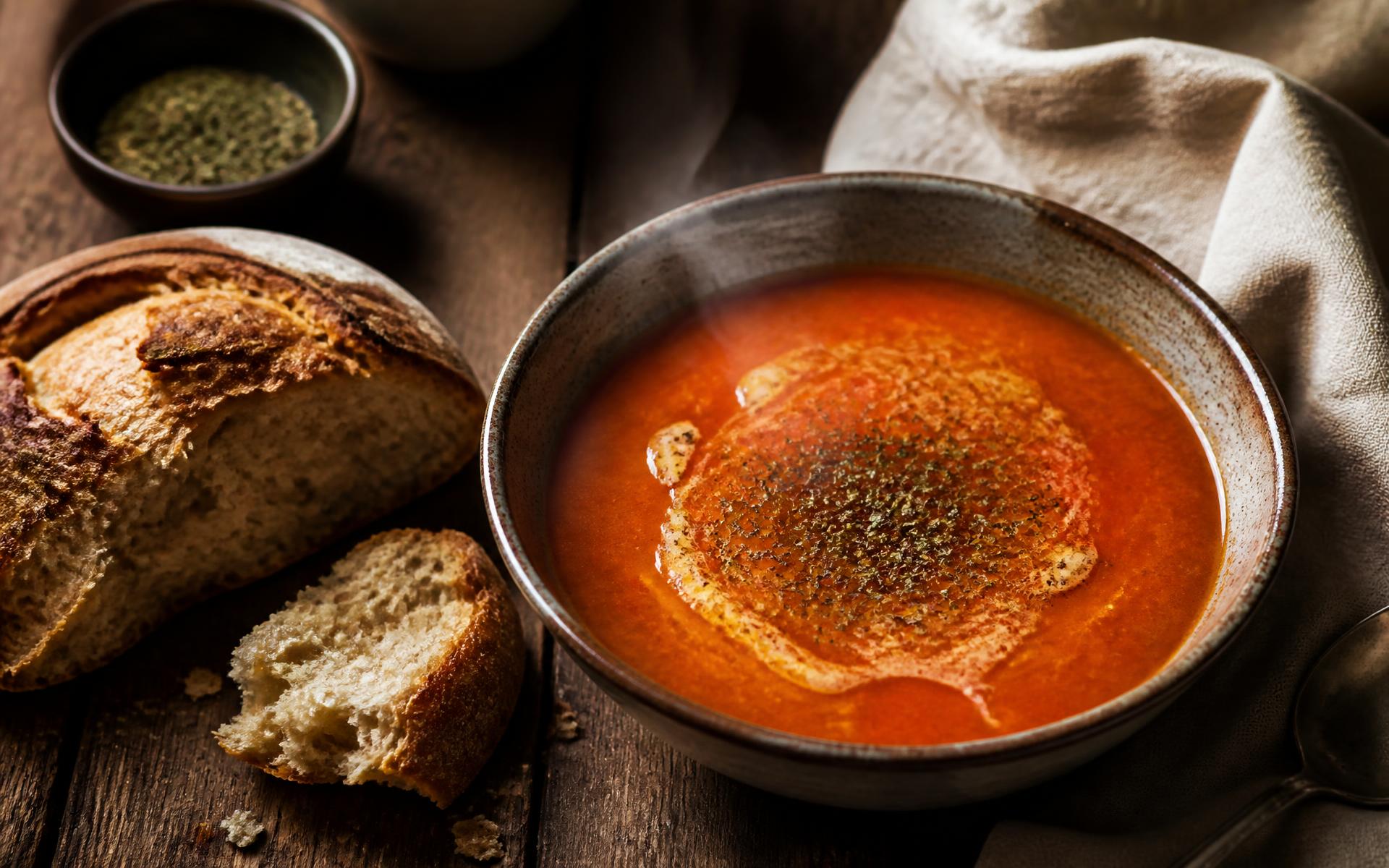
Traditional Turkish Tarhana · North Carolina
One bowl.
One smile.
One more chance.
21-day fermented Turkish tarhana — slowly cooked with beef and served hot with our house-baked bread.
One soup. Done well.
What is tarhana?
One of Türkiye’s longstanding food traditions.
Tarhana starts as a dough — flour, thick yogurt and cooked vegetables with herbs and salt — left to ferment slowly, then dried until brittle and crumbled into flakes. Add water and it becomes soup. Recipes and methods vary between regions, communities and families, so there is no single ingredient list that describes all of it.
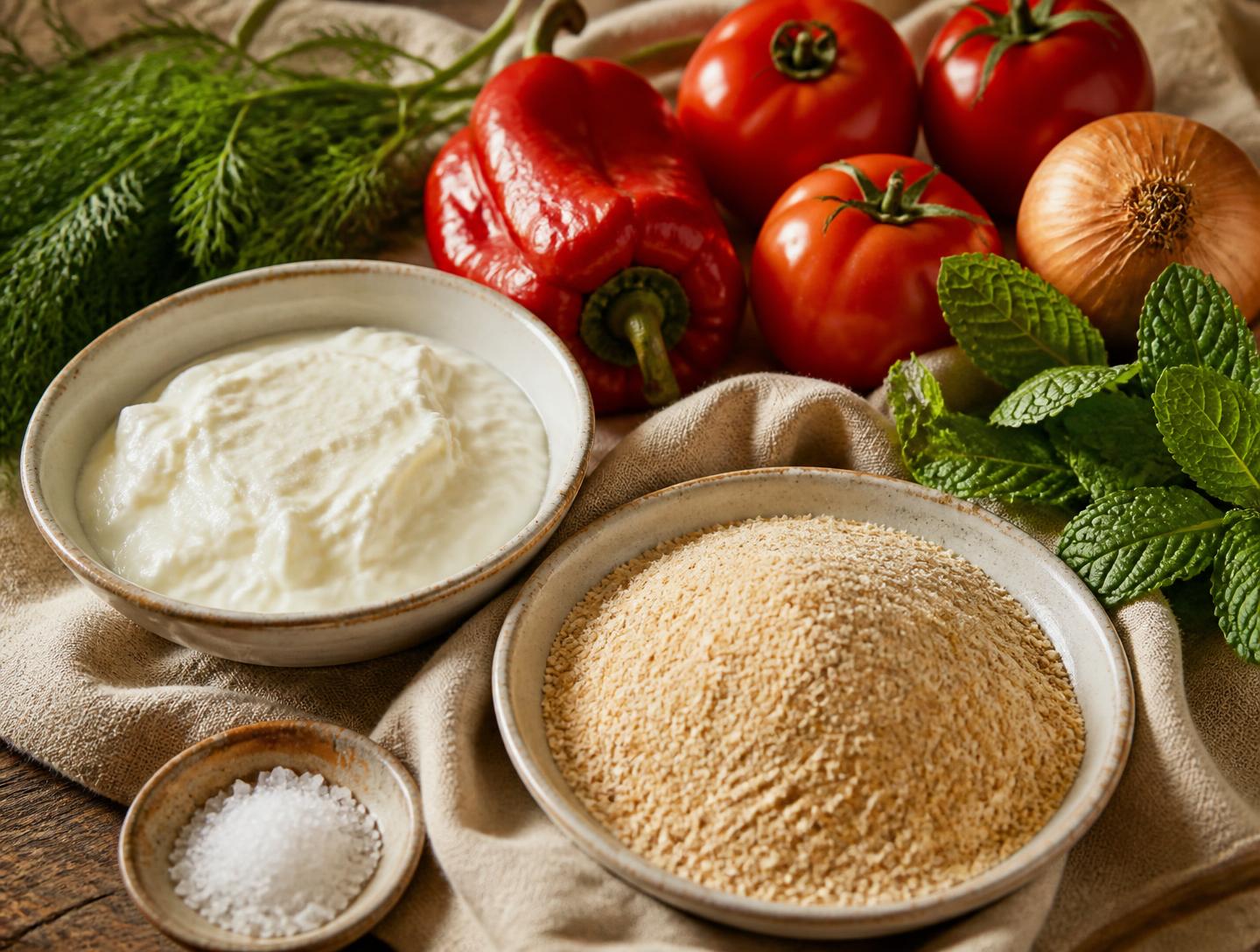
What does it taste like?
Tangy. Earthy. Rich. Warm. Comforting.
If you have never had tarhana, think of a thick tomato soup with the gentle sourness of sourdough — savoury, velvety and deeply warming.
Tangy
A gentle sourness from days of natural fermentation — like a mild sourdough.
Earthy
Slow-cooked tomato, red pepper and onion, cooked down and concentrated.
Rich
Thick and velvety, with a rounded, comforting body.
Warm
Dried mint and gentle herbs lift the whole bowl.
Comforting
Familiar and warming — deep, savoury and grown-up.
Culture, not a formula
Not all tarhana is the same.
Tarhana is a family of recipes rather than a single product. Recipes and methods vary between regions, communities and families — ingredients, fermentation time, texture and the way it is served all differ.
Ingredients
Which vegetables, grains, dairy and herbs go in differs from kitchen to kitchen.
Fermentation
Some doughs ferment briefly; ours is given approximately 21 days.
Texture
From a fine, sandy powder to coarse crumbs and dried pieces.
Preparation
Thin and soupy or thick enough to hold a spoon, with different finishing touches.
We will not publish specific regional claims until we can source them properly. What we can say is that our tarhana follows the method our family knows.
Our method
The bowl begins
21 days before
we serve it.
“We don't begin with a soup base. We begin by making yogurt.”
Milk is cultured into yogurt and strained in cloth bags until thick. Onions are cooked slowly in olive oil with tomatoes and red kapya peppers. Only then does the dough come together — and then it rests for approximately 21 days. Tarhana cannot be rushed.
01 · Milk
Before there is tarhana, there is yogurt.
02 · Yogurt
The milk is cultured into yogurt.
03 · Straining
Hung in cloth bags until thick and concentrated.
04 · Vegetable base
Onions in olive oil, then tomatoes and red kapya peppers.
05 · The dough
Flour, herbs and the prepared ingredients come together.
06 · 21 days
Then we wait. Tarhana cannot be rushed.
07 · Shade drying
Dried slowly, away from direct sun.
08 · Crumbling & sifting
Crumbled and sieved until the texture is right.
09 · Cooking with beef
The dried tarhana becomes soup in our kitchen.
10 · The bowl
Served hot, with our house-baked bread.
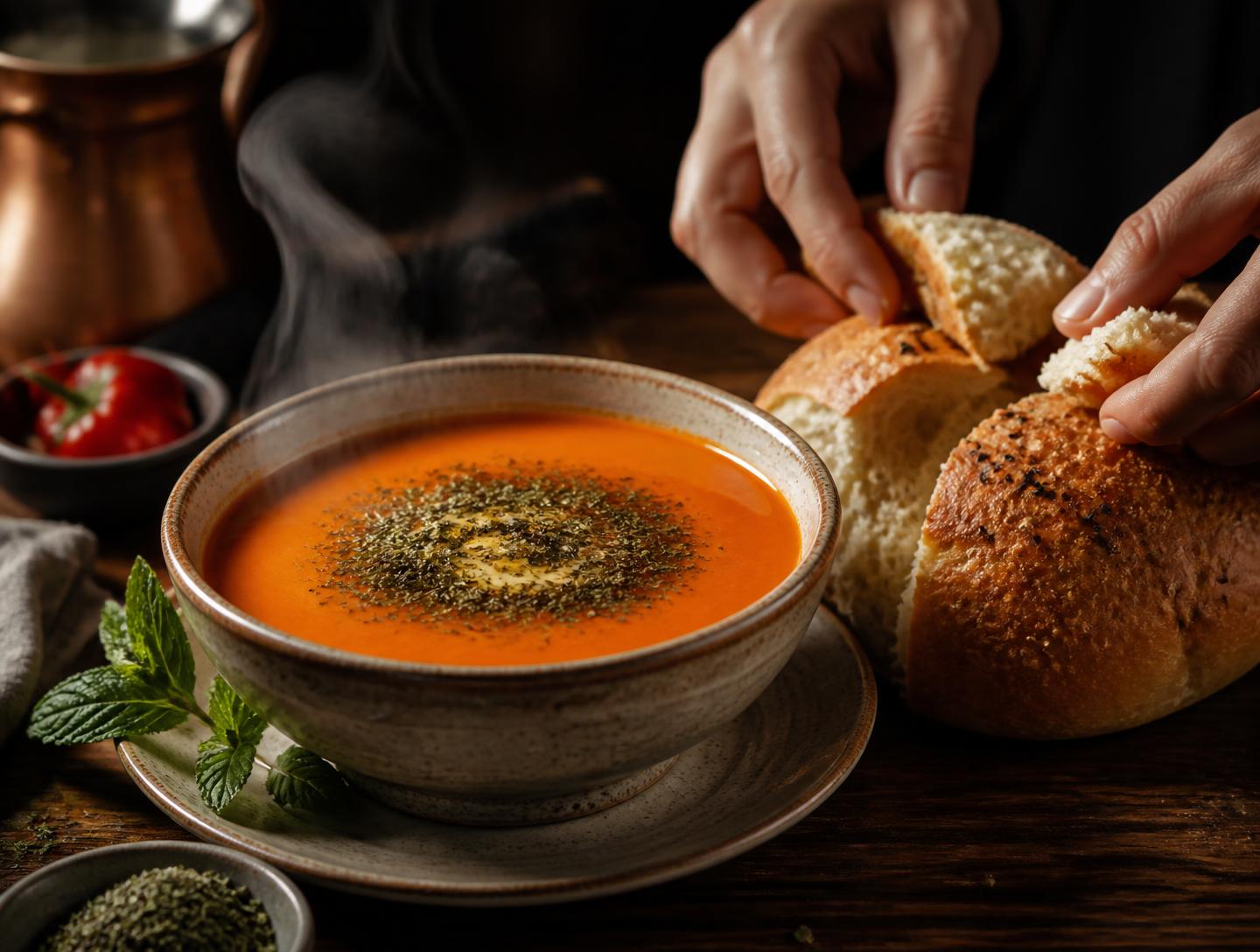
From dry tarhana to the bowl
One soup. Done well.
The 21 days make the tarhana. The kitchen makes the bowl: our fermented tarhana is slowly cooked with ground beef and served hot with our house-baked bread.
- Traditional Tarhana21-day fermented tarhana, slowly cooked with beef, served hot with our house-baked bread.$9.00
- Share a BowlOptional contribution to the community soup pool.+$6.00
Prices are placeholders until the shop opens. Our final cooking recipe is still being standardised.
The bread
Baked here. Served warm.
Our bread is baked in-house in small batches and served warm alongside every bowl. It is not a side here — it is part of the bowl.
Our bread recipe and baking routine will be described here once they are finalised.
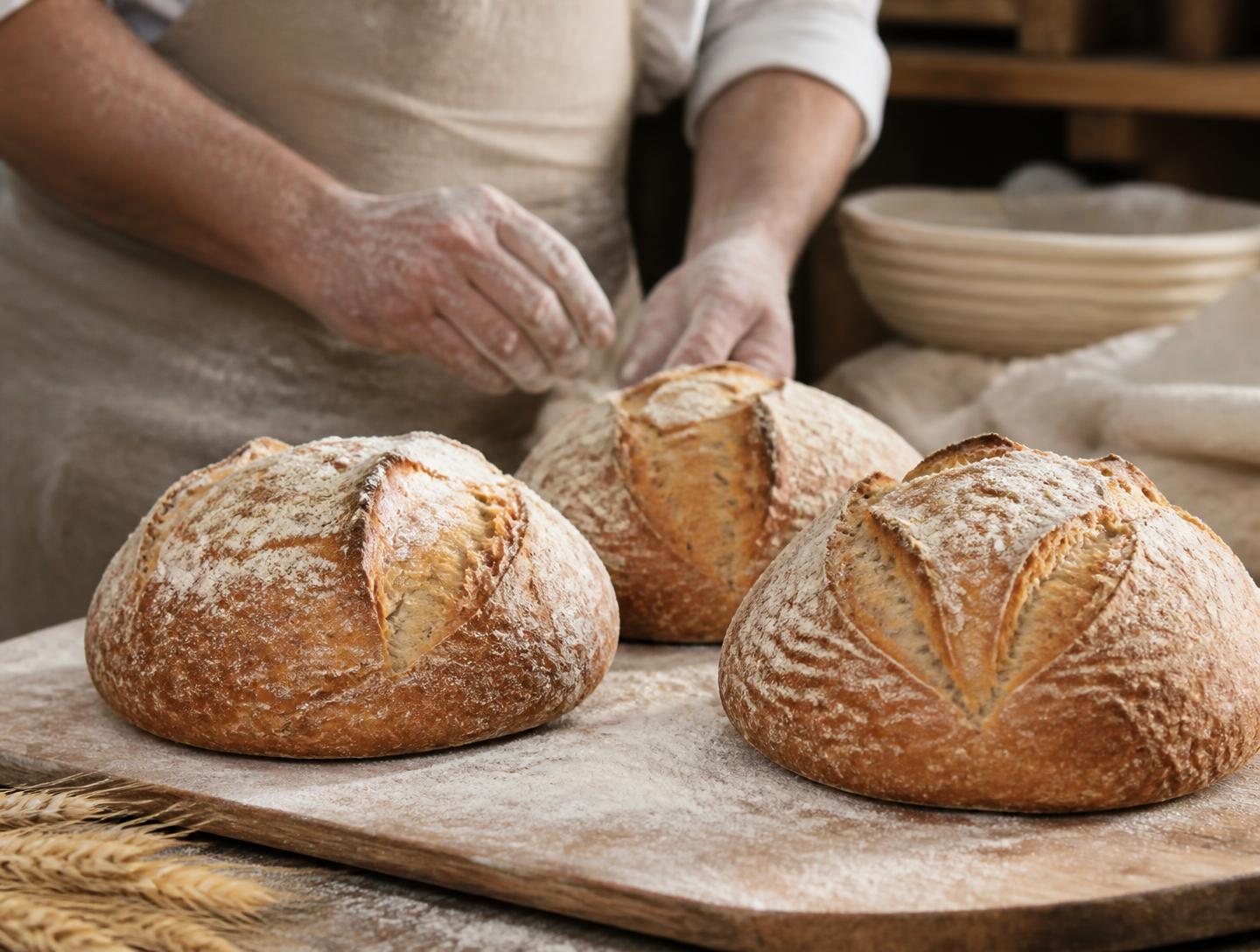
From Türkiye to North Carolina
Tarhana has deep roots in Turkish home cooking.
A food prepared with patience — fermented, dried and kept ready for the months ahead. Soup & Smile brings that tradition to North Carolina, not as a museum piece, but as something meant to be cooked, shared and enjoyed today. Not a novelty from far away: a familiar kind of warmth, in an unfamiliar bowl.
Soup on the House
Buying this soup can feed someone else.
Add a bowl to your order for someone who needs it. It goes into a community pool and is served here — with a seat and a conversation — during our evening hours. No pressure, no guilt.
The idea comes from the Turkish tradition of askıda ekmek — bread left “on the hook” at the bakery, paid for by one neighbour and collected quietly by another. We are bringing the same custom to soup.
Warmth is better when shared
- My soup
- $9.00
- Shared soup× 1
- +$6.00
- Total
- $15.00
Prices shown are indicative while we prepare to open. Shared bowls are held in a community pool and served during our evening hours; contributions are not tax-deductible donations.
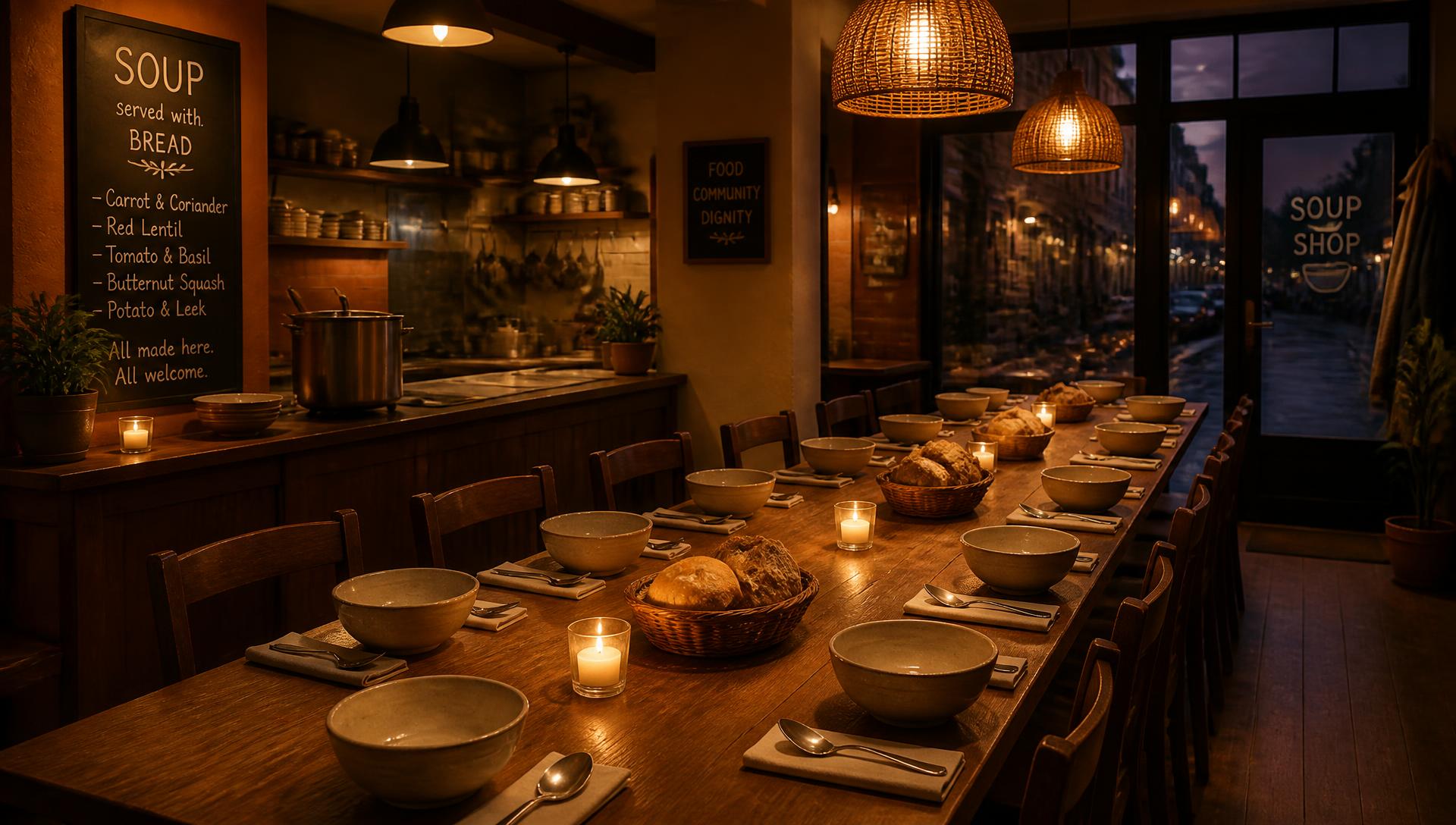
The evening table
First we feed someone. Then we help them move forward.
A bowl. A seat. A conversation. During designated evening hours, shared bowls from the community pool are available to people who need a warm meal — as guests, not cases.
From soup to opportunity
Soup is only the beginning.
The first purpose is feeding someone. The long-term purpose is helping someone move forward — and what follows depends entirely on what a person wants for themselves.
- 01
A Bowl
Something warm, offered with dignity and without judgment.
- 02
A Seat
A real table, in the same room as everyone else.
- 03
A Conversation
Someone sits down. Someone listens properly.
- 04
A Skill
We look for what a person already knows how to do.
- 05
A Connection
We introduce them to people who can genuinely help.
- 06
An Opportunity
One concrete opening: a job trial, a tool, a licence.
- 07
A New Start
Stability that holds — and often, help offered onward.
- Read the full mission
We are not trying to save people.
We are trying to help people reconnect with what they already have.
Support programs described on this site are being developed and are community-supported. We only publish partnerships, statistics and stories once they are real and permission has been given.
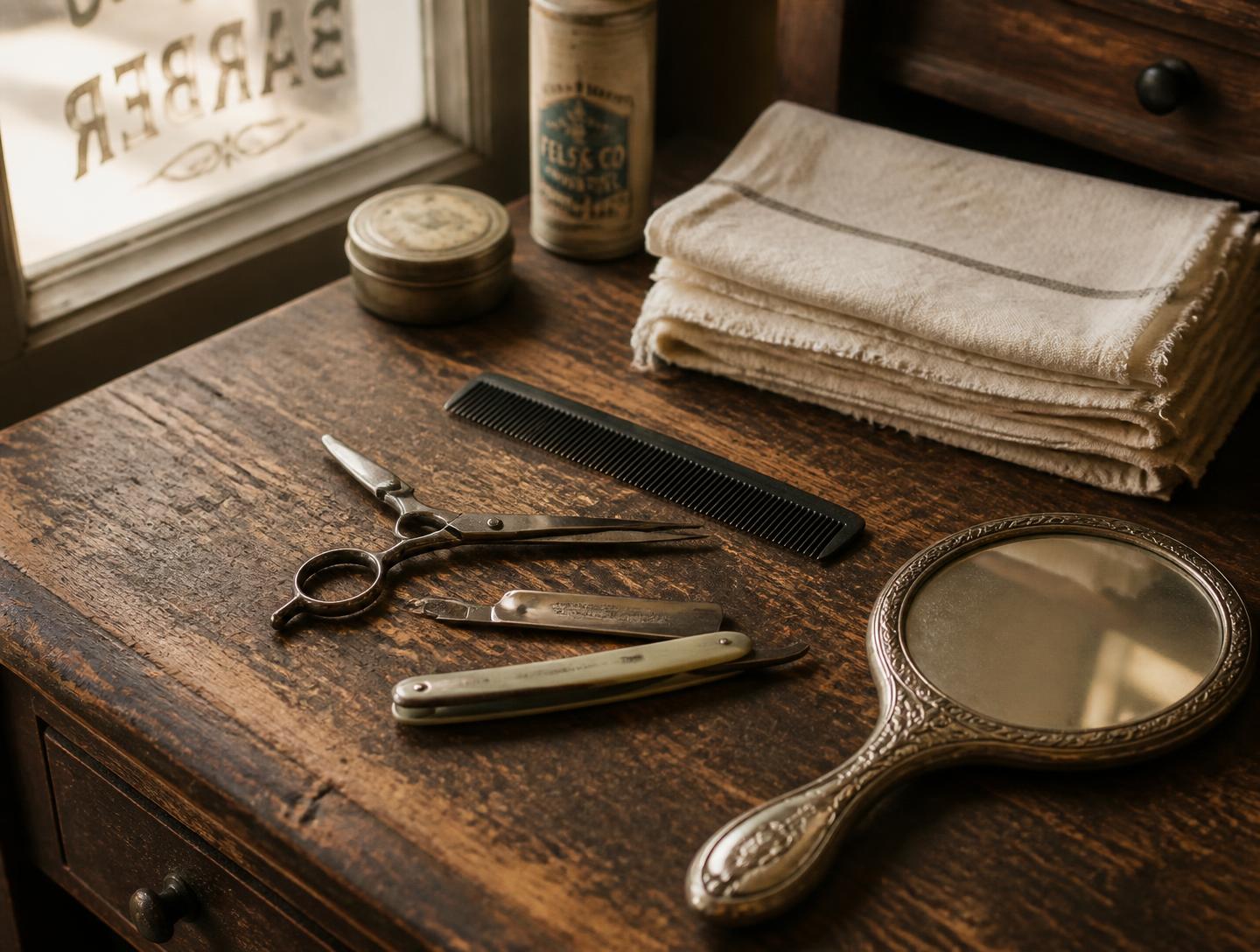
Illustrative example
He came for soup. We discovered he was a barber.
Imagine a trained barber coming to Soup & Smile during a difficult stretch. The easy thing is to define him by that stretch. We would rather ask what he already knows how to do.
From there, the community may be able to help him reconnect with the practical things that were lost along the way — and he can start by cutting hair for people in the neighbourhood.
- Tools
- Transportation
- Licensing
- Customers
- Employment
- Workspace
“One day, the person receiving a bowl may be the person serving one.”
This is an illustrative example of how the model is intended to work — not a real person or a real outcome. We will only publish actual stories with the participant's permission.
Start with a bowl
Sometimes a warm meal is more than a meal.
Sometimes it’s the first step toward something better.